
Newsletter November 28, 2026
How to Market Candles as Luxury Event Accessories
Don't just sell a scent; sell the moment. We’ll talk about packaging techniques and story development that turn your candle into an essential gift set.
Stop Selling Wax: Start Selling an Event
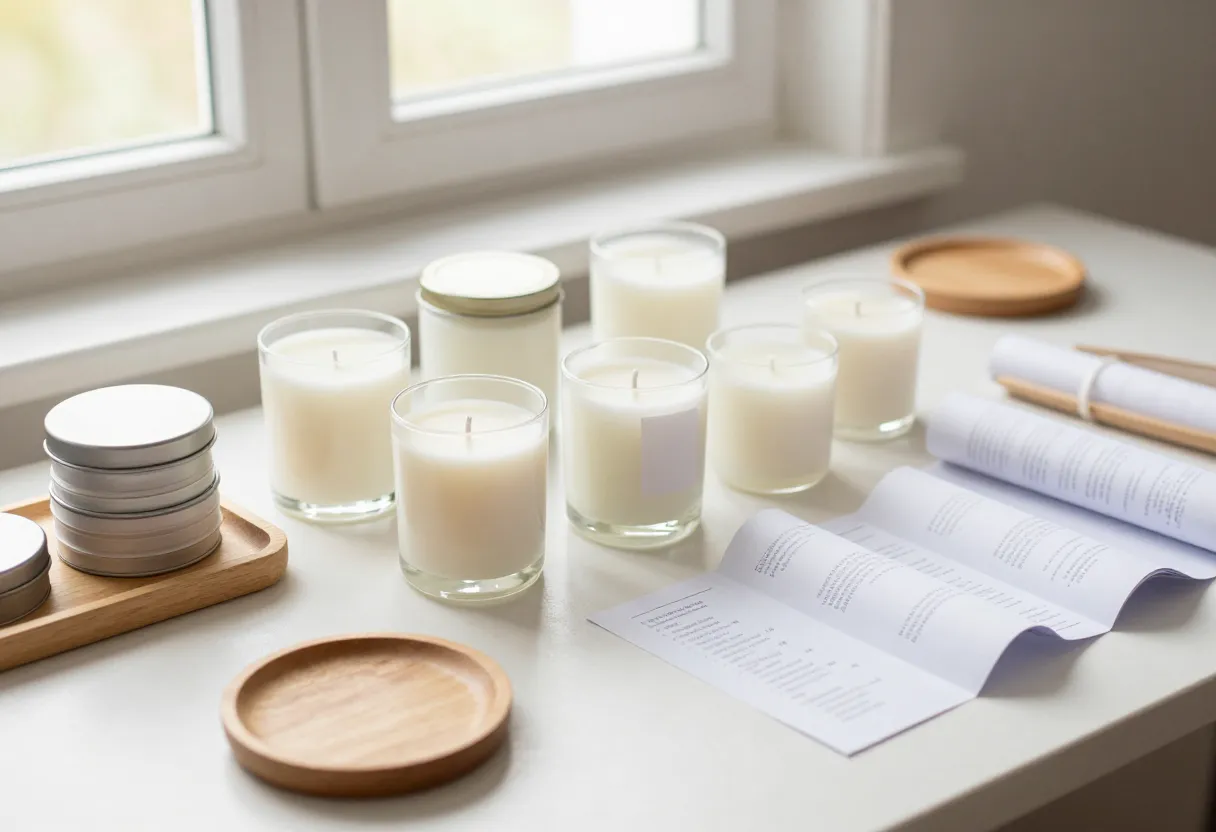
When I first started making candles, my primary focus was on the technical specs of the pour. I wanted to talk about the specific wax blend I was using and the precise fragrance percentages in every batch. But I eventually realized that most people aren’t buying a jar of wax; they are looking for a way to change the atmosphere of their home or a special moment in their lives. If you only market the “what”—the soy wax, the cotton wick, the scent notes—you are competing on price and technicalities alone.
Instead, try shifting your focus to the “why.” Are you selling a candle for a quiet Sunday morning? Or is it an accessory for a romantic dinner? When you frame your product as part of a ritual or an occasion, you move from being a commodity to providing a solution. You want the customer to envision how that specific jar will sit on their table during a bath they’ve been planning all week, or how it will anchor a holiday gathering. Focus on the outcome: a sense of calm, a curated space, or a shared moment with someone else.
Building Accessory Sets (Beyond Just Candles)
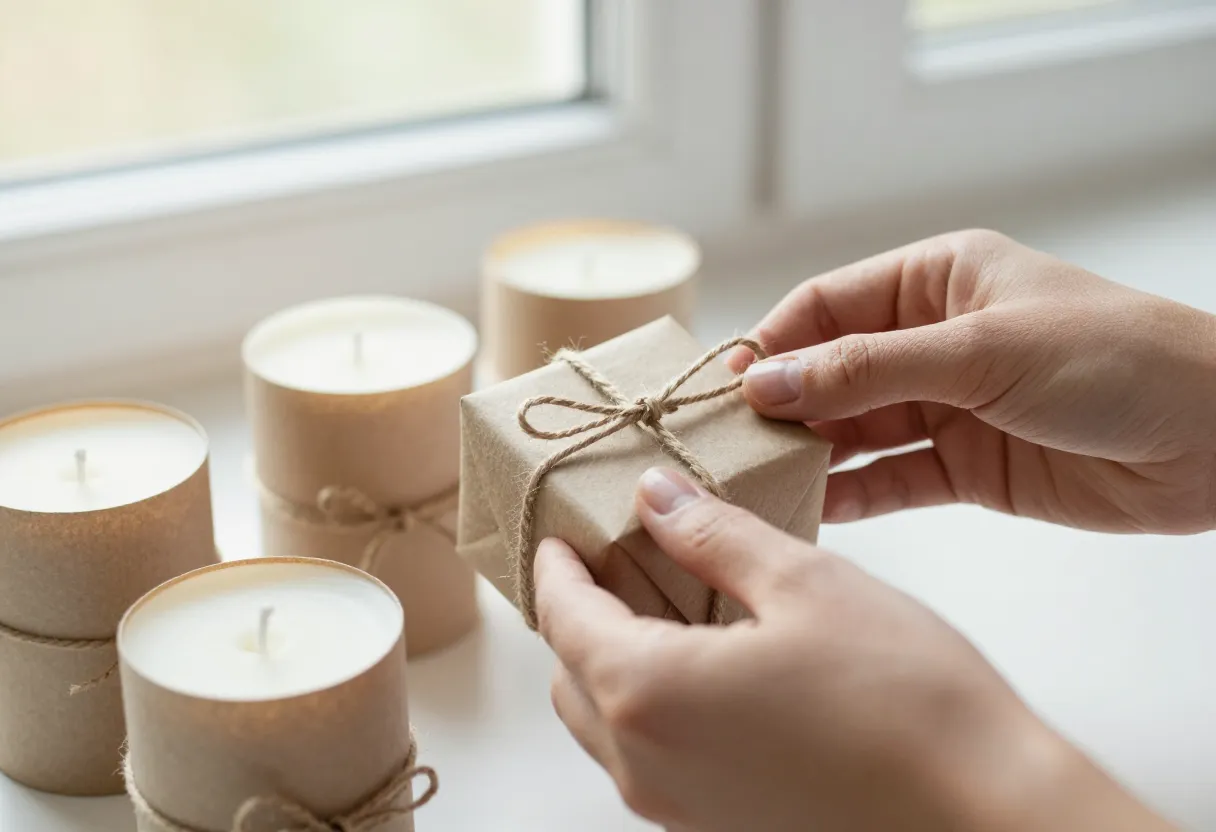
One way to move into the luxury event space is by creating “experience kits.” This means grouping your candle with other items that contribute to a specific ritual. If you are selling a “Relaxation Set,” it shouldn’t just be a candle; it could include a small vial of essential oil, a curated list of suggested music, or even a high-quality bath salt. By bundling these items together, you aren’t just selling an object—you are providing a complete plan for the customer.
From a bench perspective, this is about practical logistics and perceived value. It allows you to justify a higher price point because you are solving more problems for the maker or the gift-giver. When I look at my own production, I think about how these kits can be scaled without overcomplicating the inventory. Start small: maybe it’s just a candle and a beautifully designed “ritual card” that explains how to set the scene. This builds a higher-value package that feels intentional and curated for an event rather than just a single item on a shelf. You can use my pricing calculator to help figure out how these bundles impact your margins.
Packaging the Story, Not Just the Jar
Packaging is where many makers get it wrong by focusing only on the box and neglecting the experience of opening it. In luxury marketing, the “unboxing” is part of the product’s story. This means thinking about every touchpoint: the weight of the paper, the clarity of the instructions, and how the items are staged inside the package. You want to ensure that when a customer receives your order, they feel like they’ve received something special, not just another shipping parcel.
Practicality is key here—you have to consider the safe handling of varied materials. If you are including glass jars or heavy tins in a kit, the internal packaging must be robust enough to prevent movement but aesthetic enough to look premium. I recommend including narrative cards that tell them why this specific scent was chosen for their occasion. It’s about moving from “shipping and handling” to “presentation.” For more on how to manage these logistics safely, check out my guide on candle shipping and packaging.
Writing Copy That Sells a Ritual (Not a Smell)
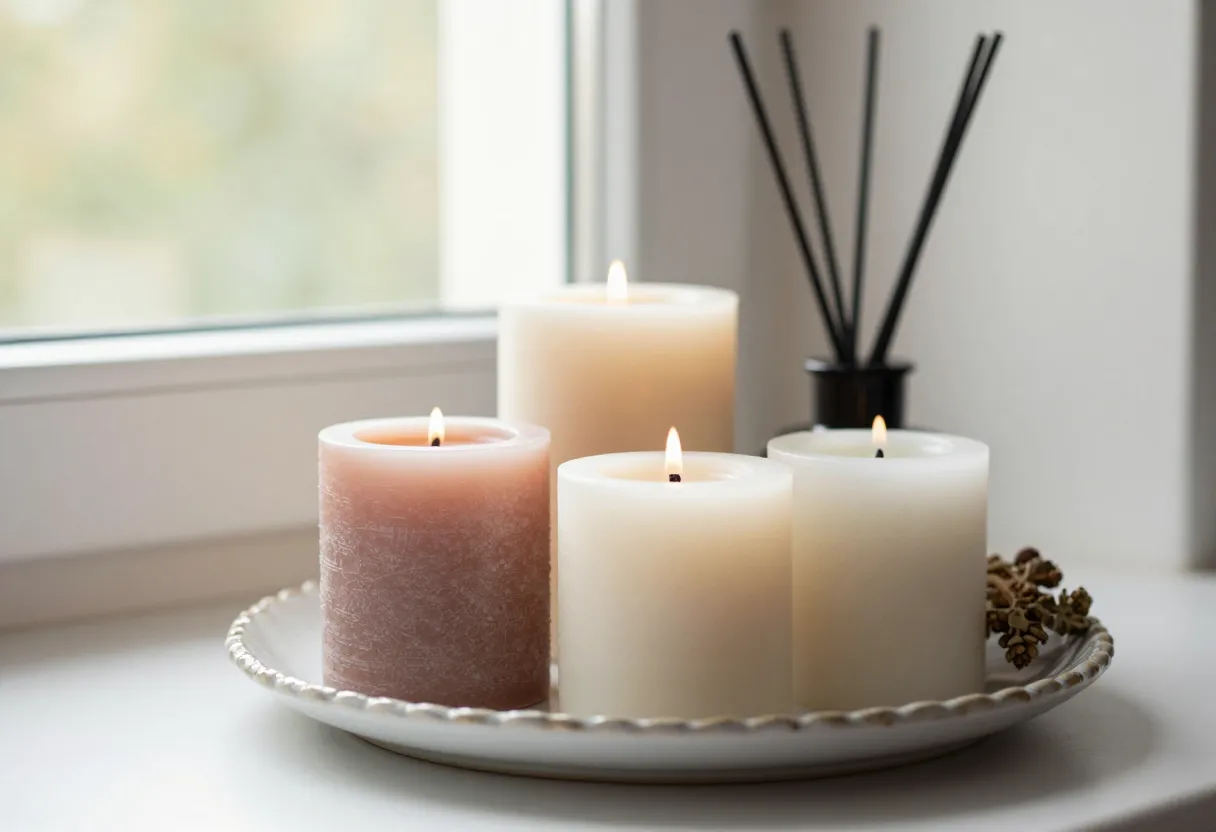
When you write your product descriptions or social media posts, try to walk the customer through the actual use of the candle. Avoid flowery marketing words that don’t mean much on the bench. Instead, describe the sequence of events. What do they do before they light it? How should they set the room? Describe the “melt pool” and what the experience feels like as the fragrance fills the space over thirty minutes.
Instead of saying a scent is “magical,” tell them that it’s designed to be lit an hour before guests arrive, creating a warm welcome. Use plain words: talk about the glow, the steady burn, and the way the wax behaves in the container. Guide them through the routine—the strike of the match, the initial flicker, and the transition into a steady flame. By describing the ritual, you are helping the customer visualize themselves using your product successfully. This builds confidence in their purchase because they know exactly what to expect when they get that jar home.
The Pitfalls: Don’t Over-Promise or Under-Test
It is easy to get caught up in the “luxury” aspect of marketing and forget that a luxury product must, above all else, perform perfectly every single time. A beautiful package and great copy cannot compensate for a candle that tunnels, has a weak scent throw, or poses a safety risk. My background in the Marine Corps taught me that discipline and checklists matter; those same principles apply to your burn tests. You must be honest about what your candles can do.
Never promise a specific performance without having verified it on your own bench first. This means keeping up with rigorous burn testing and maintaining a detailed burn log. If you are marketing to high-end events, the risk of a product failing is higher because the stakes for your customer are also higher. Always refer your customers to their wax supplier’s data sheet for specific technical limits like fragrance loads or melt points, and use my calculators to ensure your math is correct before you ever pour a batch for sale. Marketing sells the dream, but your testing ensures the reality lives up to it.
Inspired by a story from Good Housekeeping.
Get the next issue
Questions or corrections? Send a note. Or read more issues.